



Section 3: History & Civil Rights Must-Sees
Memphis played a central role in America’s struggle for equality. These four attractions tell the story with honesty, power, and respect. They are among the most meaningful things to do in Memphis TN – visitors leave changed. These sites are more visited than ever and all are wheelchair accessible with free audio guides available in multiple languages. Plan at least half a day for each one; many people combine two in a single emotional day.
1. National Civil Rights Museum at Lorraine Motel
The Lorraine Motel is where Dr. Martin Luther King Jr. was assassinated on April 4, 1968. Today it houses the world’s most comprehensive civil rights museum – a National Historic Landmark that draws over 300,000 visitors every year.

What you will experience
- Walk into Room 306 exactly as it was left on that day (viewable from behind glass)
- 40 interactive galleries covering slavery, Jim Crow, Montgomery Bus Boycott, Freedom Rides, March on Washington, Memphis Sanitation Strike, and modern movements
- New 2025 exhibit “The Power of One” – stories of everyday people who changed history
- Rosa Parks bus, Freedom Riders jail cell, lunch-counter sit-in recreation
- Outdoor “March on Washington” wall with 1,000+ names of marchers
- Final gallery “I’ve Been to the Mountaintop” with Dr. King’s last speech playing
Practical information
- Open daily 9 AM – 5 PM (last entry 4 PM)
- Tickets: Adults $18, Seniors $16, Children 5-17 $13 (book online to skip line)
- Allow 2.5–3.5 hours
- Free parking across the street; café inside with Southern comfort food
Primary Keyword: National Civil Rights Museum Secondary: Lorraine Motel Memphis history
2. Slave Haven Underground Railroad Museum
This small, unassuming two-story house at 450 Adams Avenue was once a safe house on the Underground Railroad. Built in 1849 by German immigrant Jacob Burkle, it hid over 200 enslaved people on their way to freedom.

Tour highlights
- Hidden trap doors, crawl spaces, and secret passages still intact
- Original 19th-century furnishings and artifacts
- Guided tour (only way to enter) by descendants of the Burkle family
- Stories of real escapees who stayed in this house
- Outside you see the original slave auction block marker just one block away
Visitor information
- Open Wednesday–Saturday 10 AM – 3 PM (tours every 30 minutes, last tour 2:30 PM)
- Tickets: $15 adults, $12 seniors/students (cash or card)
- Tours last 45–60 minutes; maximum 12 people per tour
- Book online or call – they often sell out
Primary Keyword: Slave Haven Memphis Secondary: Underground Railroad tour TN
3. Memphis Civil Rights Trail Sites
The Memphis Civil Rights Trail is a free, self-guided walking and driving route that connects 17 key locations tied to the 1968 Sanitation Workers Strike and Dr. King’s final days. Download the official app or pick up a map at the National Civil Rights Museum.

Top 8 stops on the trail
- Clayborn Temple (where Dr. King gave “I’ve Been to the Mountaintop” speech)
- Mason Temple (original site of the speech – now a historic church)
- I Am A Man Plaza (striking workers’ signs sculpture)
- Former site of the Sanitation Workers Strike headquarters
- First Baptist Beale Street (meeting place for strikers)
- LeMoyne-Owen College (HBCU that supported the strike)
- Stax Records (soul music as resistance)
- Back to the Lorraine Motel
Tip
- Free guided walking tours every Saturday at 10 AM (meet at Clayborn Temple)
- Driving version takes 2 hours; walking version 3–4 hours
- Combine with the National Civil Rights Museum for a full day of learning
Primary Keyword: Civil Rights Trail Memphis Secondary: MLK sites Memphis TN
4. W.C. Handy Home & Blues History
W.C. Handy, “Father of the Blues,” lived in this tiny shotgun house from 1903–1917. It is the oldest remaining residence on Beale Street and now a small museum that tells the story of how the blues was born in Memphis.
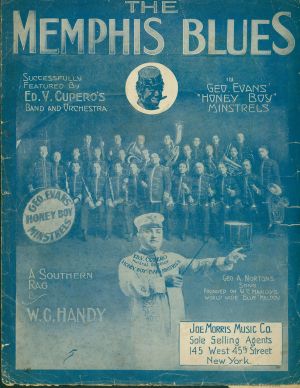
Inside you will find
- Handy’s original cornet and handwritten sheet music
- Photos and letters from the early 1900s
- Video of Handy performing “St. Louis Blues”
- Timeline of how blues spread from Memphis to the world
- Gift shop with blues CDs and books
Visitor details
- Open daily 11 AM – 4 PM
- Admission: $8 adults, $5 children/seniors
- Tour takes 30–45 minutes
- Located at 352 Beale Street – walkable from all other Beale attractions
Primary Keyword: WC Handy Memphis Secondary: Blues history Beale Street
These four sites together give you the complete arc of Memphis’s civil rights story – from enslavement to protest to hope. Many visitors say this is the most important part of their Memphis trip. Start early in the morning, wear comfortable shoes, and bring tissues – these experiences touch the heart.
